1-805-484-2992
Quotes - Engineering - Sales
Replacement Heat Exchangers for Marine Engines
Jacket Water, Lube Oil, Hydraulic Oil and Seawater Duty
A marine cooler has one job: hold the jacket water, the oil or the process fluid inside the band the engine or system maker specifies while raw seawater does the cooling. Every unit on this site is built for that duty from the seawater side out: copper-nickel or titanium tubes, or titanium plates, carrying the seawater, bronze bonnets with zinc anodes on the shell and tube units, and a shell or frame that keeps the engine coolant or oil where it belongs. Tell us the engine model and rating, or send a photograph of the nameplate on the unit that failed, and we confirm the replacement. Cataloged shell and tube frames cover roughly 10 to 1250 horsepower on jacket water duty; above that we split the load or rate a unit for it.
- Jacket Water Cooling: The B Series for compact engines, the HC Series frames from 614 to 1772 for the main propulsion band, and the fixed-tube AB Series at 300 PSI, all under jacket water cooling.
- Oil Cooling: Lube oil, hydraulic, reduction gear and deck machinery coolers, sized on oil grade and the pressure drop you can spare.
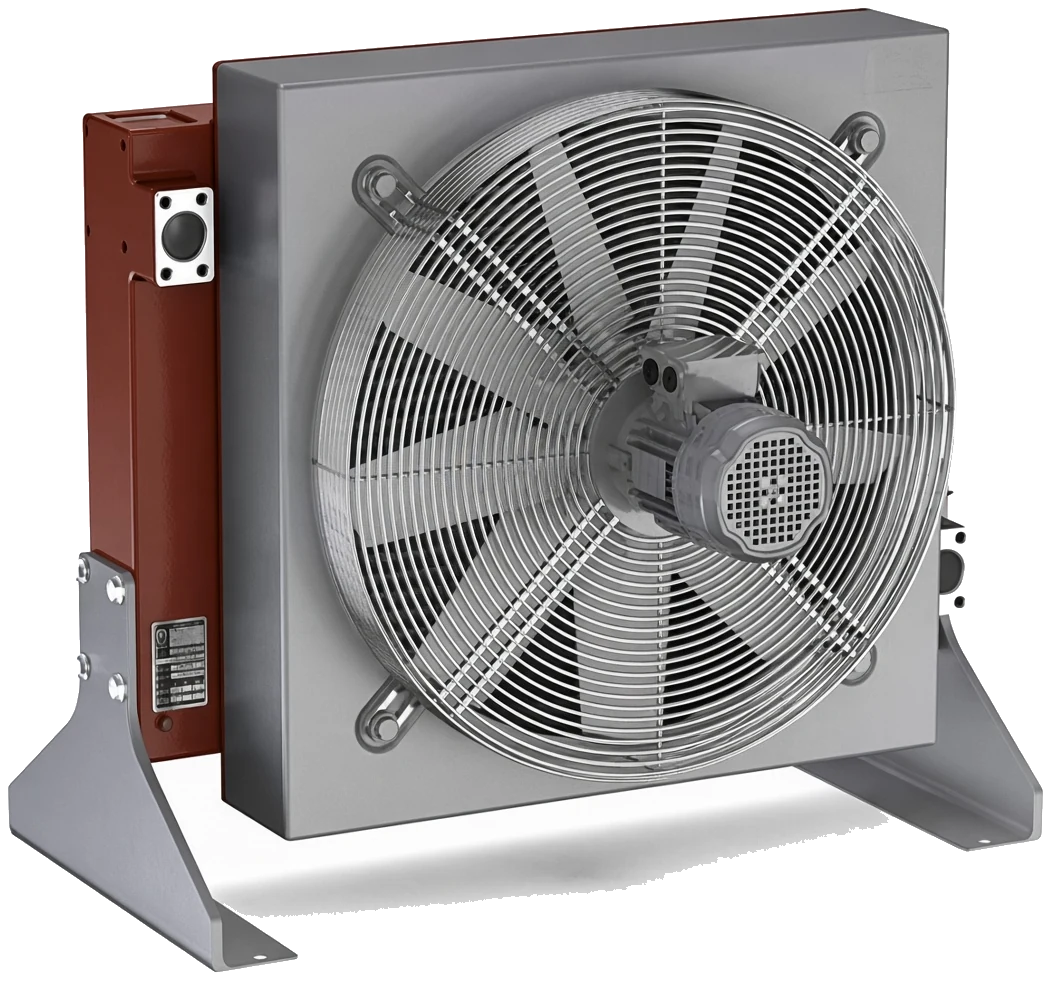
- Shell and Tube: Seawater coolers, evaporators and condensers with copper-nickel or titanium tubes, chosen on the water you run.
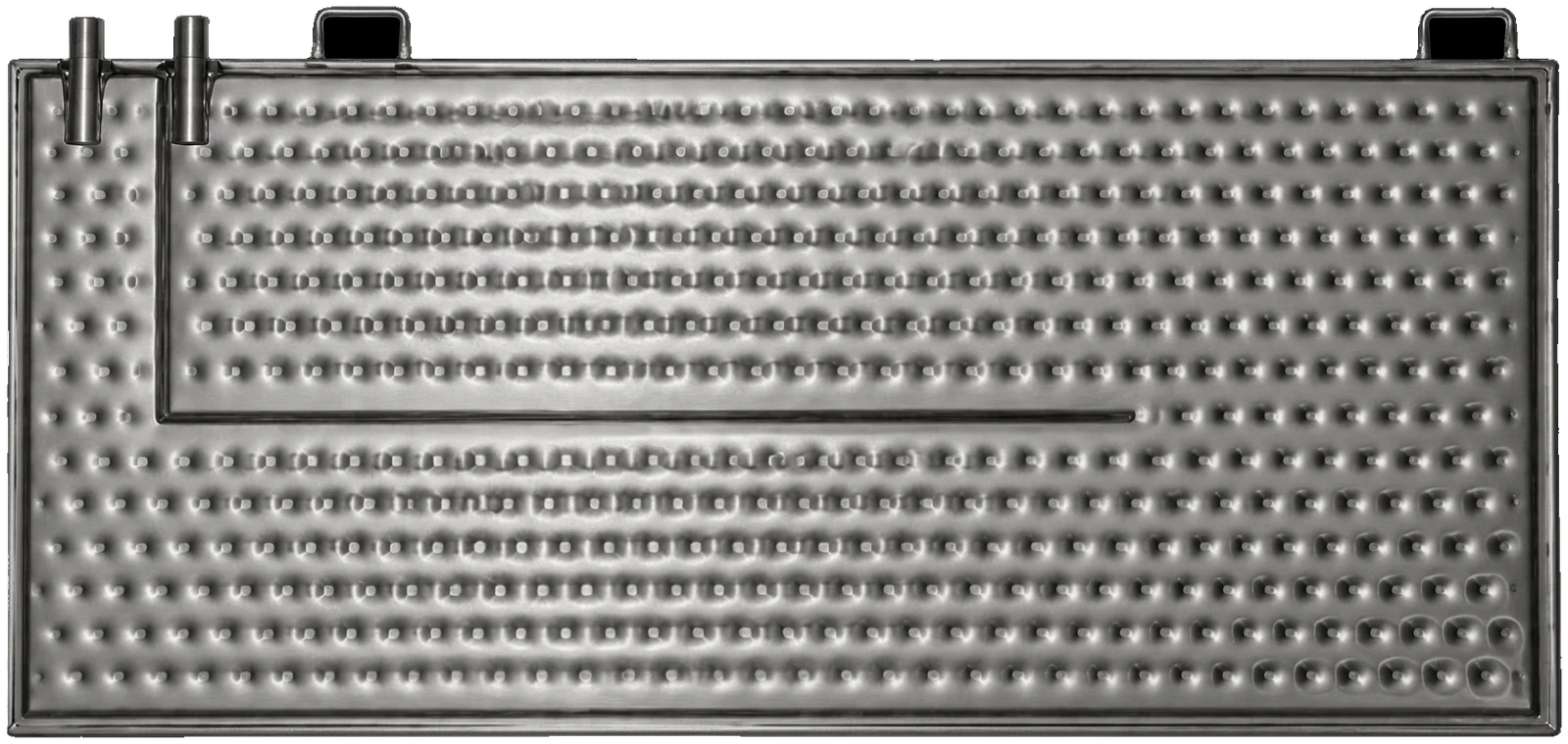
- Plate and Frame: Titanium gasketed plate units for central cooling, chiller and refrigeration condensing, with plate packs and gaskets to keep them in service.
- Air Cooled: AKG bar-and-plate coolers with a baked Heresite finish for salt air, as tube and fin or bar and plate cores.
- By Engine: Caterpillar, Cummins, Detroit Diesel, John Deere and the other marine makes, model by model, with the cooler that answers each rating.
- Parts and Plates: Zinc anodes, tube bundles and bonnets and gaskets for the shell and tube units, and immersion plates for tank and fish hold cooling.
Find Your Way In

ENGINES & VESSELS • BY MODEL
Vessels & Engines
Find your engine or vessel type and the cooler that fits its rating.
+ Learn More
APPLICATIONS • BY DUTY
Applications
Engine cooling, oil cooling and seawater systems, duty by duty.
+ Learn More
Choosing a Replacement Marine Cooler:
Start with the engine. The model and rating set the jacket water heat rejection, and that number, taken from the engine data sheet, is what sizes the cooler. A CAT 3406, a Cummins KTA19 and a Detroit 8V92 each land on a known frame once the rating is known.
Then the water. Clean open-ocean seawater is the easy case for copper-nickel tubes with zincs. Warm harbor water, silt, or a chlorinated intake move the answer toward titanium tubes, and we will say so rather than sell you a bundle that needs replacing again in three seasons.
Then the envelope. Overall length, connection sizes and which way the bonnets face decide whether a replacement drops in or needs the piping touched. Six measurements and a photograph settle it; see replacing an existing cooler.
Oil coolers follow the same path with oil grade and flow in place of horsepower. Call 1-805-484-2992 or email Sales@HeatX.com and we will work through the selection with you.