
1-805-484-2992
Quotes - Engineering - Sales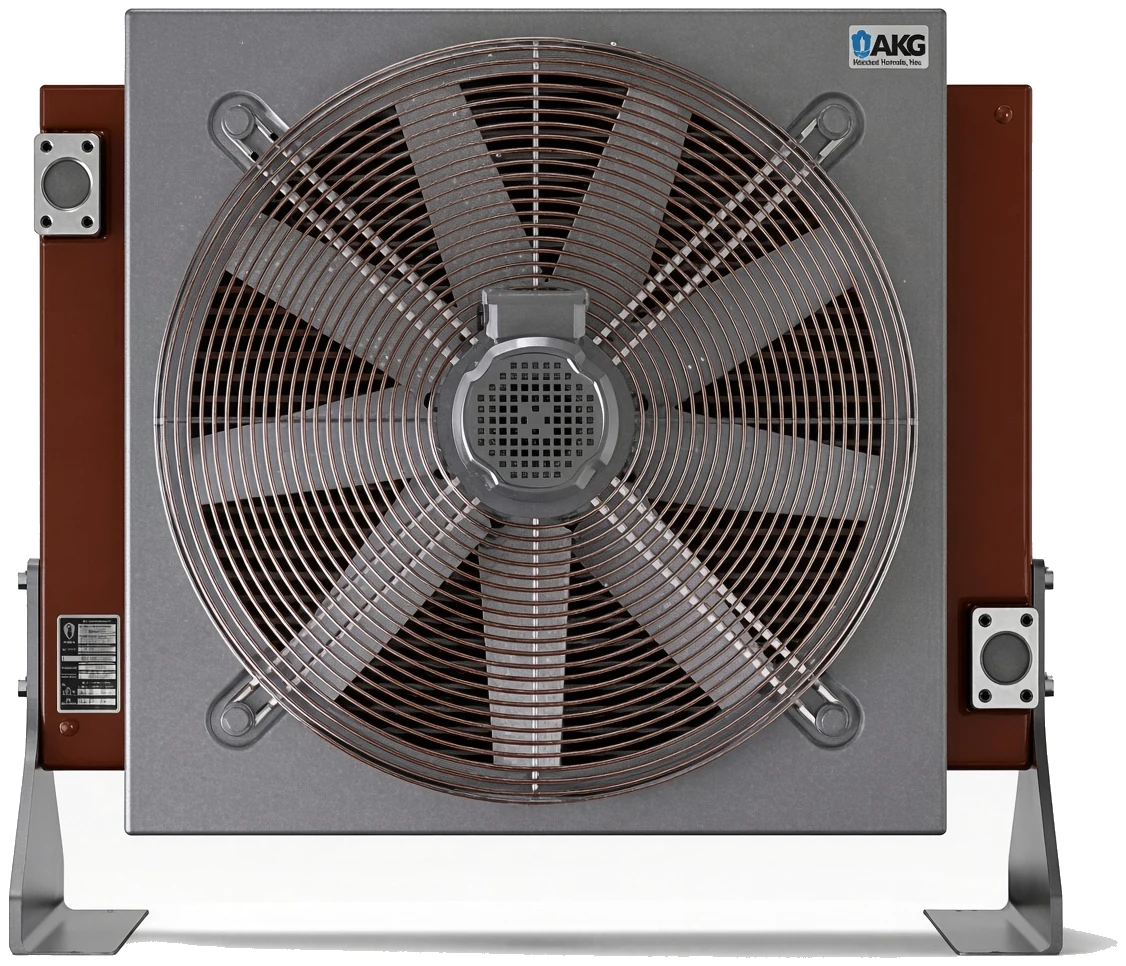
Engine Side
- Jacket water on shell side
- Charge air aftercooling circuits
- Genset and auxiliary engines
- Keel cooler conversions
- Continuous and standby duty
Oil Side
- Main engine lube oil
- Reduction gear and marine gear
- Deck crane and winch hydraulics
- Thruster and stabilizer power packs
- Steering gear power units
Seawater Side
- Raw water cooling loops
- Evaporator and watermaker duty
- Refrigeration condensers
- HVAC chiller condensers
- Titanium where chlorine is present
Duty Drives Selection
Two coolers can share a shell diameter and a bolt pattern and still be wrong for each other, because the duty, not the envelope, decides how many passes and which tube metal you need.
One Seawater Supply, Many Different Loads
Cooling on a vessel is a set of separate duties that happen to share one seawater supply. The main engine wants jacket water held inside a narrow band. The reduction gear wants oil warm enough to carry film but cool enough not to thin. The deck crane wants hydraulic oil below the temperature at which seal life collapses. The air conditioning wants a condenser that will not pinhole in a single season. Each of those is a different exchanger, sized on different numbers, and each one gives you a different warning before it quits.
Every cooling duty on a boat shares one seawater supply and fails in its own way. These pages sort the duties out, name the series that fits each one, and tell you exactly what to send us so a replacement arrives right the first time.
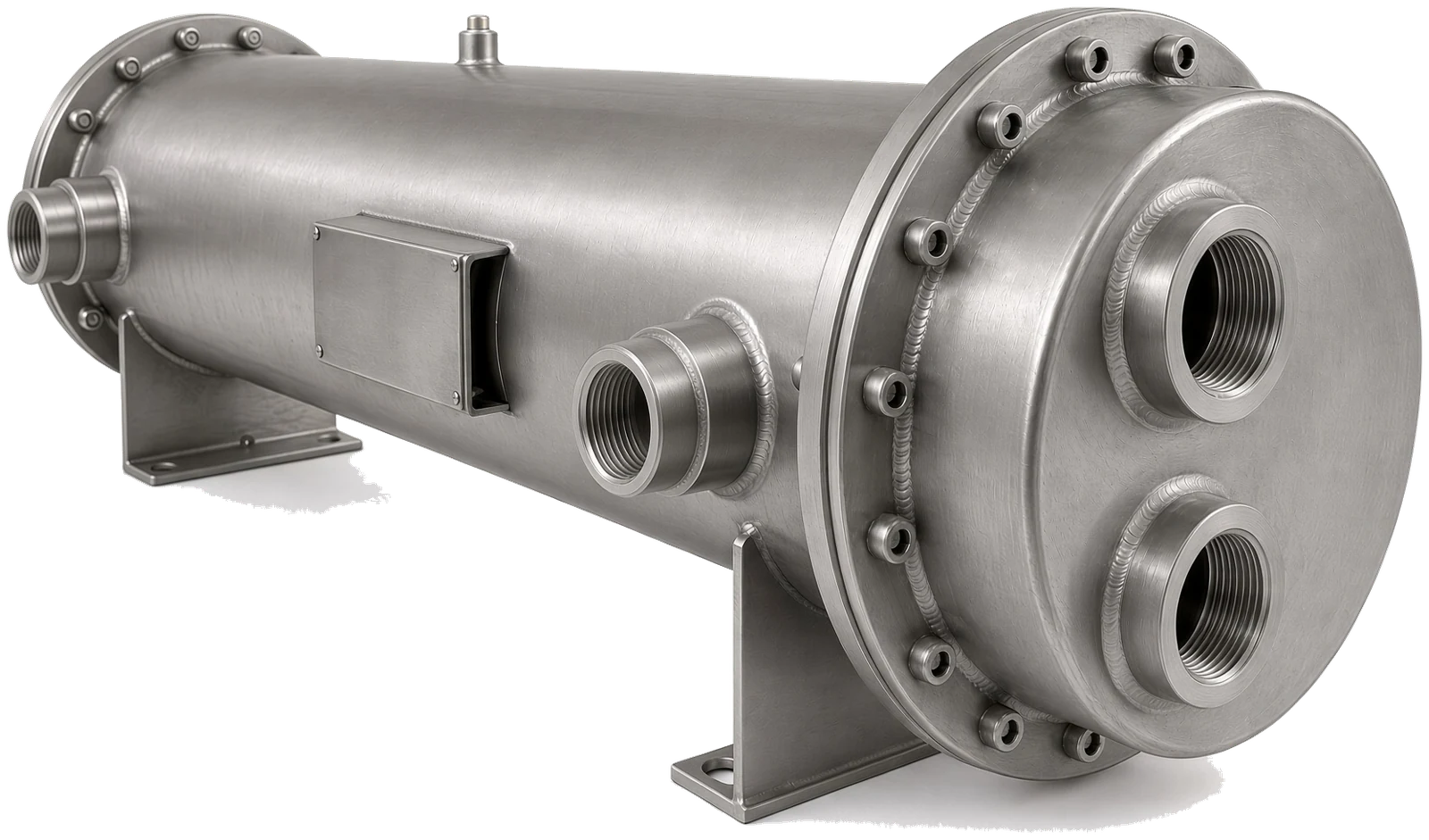
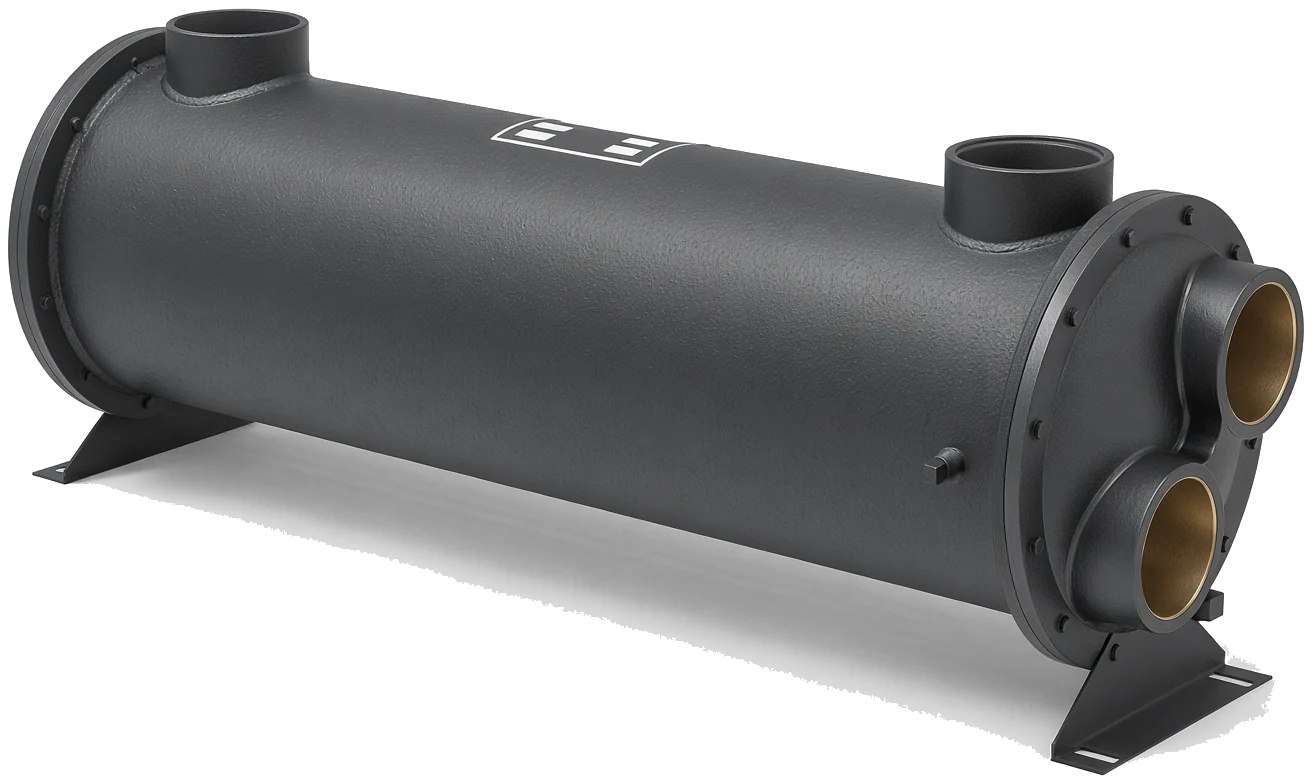
The common thread is what runs through the tubes. Raw seawater goes on the tube side, where it can be rodded out and where the metal that touches it is chosen for the job: 90/10 copper-nickel for ordinary raw water service, titanium where the water is hot, chlorinated or carrying stray current. Engine coolant, lube oil or hydraulic oil goes on the shell side. Bronze bonnets and zinc anodes finish the marine build, and those zincs are the part most people forget untill the tubesheet tells them.
These application pages are written to get you to a decision. Each one describes the duty in the terms an engineer measures it in, says which of our shell-and-tube frames covers it, notes where an air-cooled unit with Heresite is the better answer, and lists what we need from you to confirm a replacement. If you already know the engine, start from the engine pages; if you know only the old part number and the connection sizes, call 1-805-484-2992 and we will work it back from there.
Common Duties

APPLICATIONS • JACKET WATER
HC Series
The main jacket water range, roughly 10 HP to 1250 HP.
+ Learn More
ENGINEERING • SELECTION
Sizing by HP
How engine horsepower and heat rejection turn into a frame size.
+ Learn More
ENGINES • CATERPILLAR
CAT Coolers
Replacement coolers for the 3406, 3412 and 3500 families.
+ Learn MoreQuestions engineers ask
Follow what is inside the shell. If it holds engine coolant, it is jacket water cooling. If it holds lube, gear or hydraulic oil, it is an oil cooler. If it holds refrigerant or vapor, it is a condenser or evaporator. The tube side is almost always raw seawater on a marine unit.
On some small engines a combined unit exists, but on anything of size the two duties want different tube counts, different passes and different pressure drops. Separate coolers are easier to size, easier to service and easier to replace individually when only one of them fails.
No. A shell-and-tube cooler is changed in the water with the seacocks shut. Plan for gasket replacement, a fresh set of zincs and a proper flush of the raw water side before the new unit goes on, so debris from the old piping does not end up in new tubes.
Use the warmest water the vessel will realistically work in, not an annual average. A cooler sized on 70 degree water will not hold the engine in 90 degree summer water, and the failure shows up as high jacket temperatures on the hottest day of the season.
Yes. The engine pages cover the models we see most, but the selection depends on heat rejection and flow, not on a badge. Call 1-805-484-2992 with the engine make, model and rating and we will size from the published data or from the cooler you are replacing.

