
1-805-484-2992
Quotes - Engineering - Sales
B Series Heat Exchangers
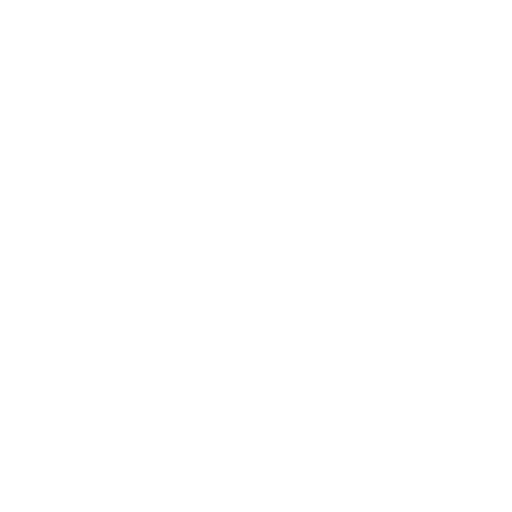
The compact shell and tube frame that covers most small and mid marine diesels. Shells from 2 to 8 inches, tube lengths from 9 to 90 inches, and a marine option set of bronze bonnets, copper-nickel tubes and zinc anodes.
| PRODUCT | TYPE | STYLE | RATING |
|---|---|---|---|
| Heat Exchanger | Shell & Tube | Removable Bundle Marine | 250 PSI / 350°F |
Specifications
Configuration & Size
Shell Diameter:
2 in to 8 in
Tube Length:
9 in to 90 in
Tubes:
Copper or copper-nickel
Passes:
1, 2 and 4 pass
Brand:
Thermal Transfer
Materials
- Tubes: 90/10 Copper-Nickel
- Tubesheet: Brass
- Bonnets: Bronze or cast iron
- Shell: Brass or steel
The B Series Marine Build
Bronze bonnets, copper-nickel tubes, zincs
The B Series is the frame most small and mid marine diesels end up with. It is a straightforward removable-bundle shell and tube exchanger with NPT connections, sized from a 2 inch shell up to 8 inches and from a 9 inch tube length up to 90 inches. The catalog covers frame sizes from B-401 through B-1608, which is enough spread to land close to almost any existing installation without a fabricated adapter.
What makes a B Series a marine unit is the option set, not a separate frame. Written out it is BR-CN-B-Z: bronze bonnets, copper-nickel tubes, and zinc anodes fitted in the bonnets. The tubesheet is brass and the shell can be brass or steel depending on what the shell side sees. A part number like B-701-A4-F-BR-CN-B-Z tells you the frame, the connection arrangement and every one of those choices in a single string.
Ratings are 250 PSI on the shell side, 150 PSI on the tube side and 350°F maximum. On a jacket water duty that is comfortable: the closed loop runs a fraction of the shell rating and the raw water side is at pump pressure. The tube-side limit is worth checking on any installation where the seawater line can be dead-headed against a closed valve while the pump keeps running.

For a B Series replacement we need the frame size and the option letters if the nameplate still carries them, or shell diameter, overall length, connection size and the bolt pattern if it does not. Call 1-805-484-2992 with what you can read and we will decode the rest.
Request a QuoteB Series Applications



How the B Series is put together
Seawater enters the bonnet at one end, passes through the tube bundle and leaves through the opposite bonnet or, on a four pass unit, returns to the same end. Engine coolant enters the shell and is directed back and forth across the bundle by segmental baffles, which raise the shell-side velocity and hold the tubes against vibration. The bundle is removable, so the tube outside surface and the shell interior can both be reached.
The zinc anodes thread into the bonnets and sit directly in the seawater stream, upstream of the tubesheet face where galvanic attack would otherwise start. Bonnet gaskets seal each bonnet to the tubesheet, and those are consumable: any bonnet that is pulled to inspect anodes or rod tubes should go back with new gaskets rather than the old ones flattened a second time.
Specifying the B Series
It is the option set. BR is bronze bonnets, CN is copper-nickel tubes, B is baffled shell-side construction and Z means zinc anodes are fitted in the bonnets. Together they make an otherwise industrial frame suitable for raw seawater. If your old unit has those letters, order them again unless something in the installation has changed.
Measure the shell outside diameter, the overall length end to end, the connection sizes on both bonnets and the shell, and the bolt circle on the bonnet flange. Photograph the unit from the side with a rule against it. Those measurements narrow the frame to one or two candidates and the duty resolves which one.
Yes, on small circuits. Oil transfers heat far less readily than water, so an oil duty needs more surface area than a water duty that sounds comparable, and pressure drop has to be stated at inquiry. For larger lube or hydraulic loads the AB frames or an air cooled unit are usually the better economics.
150 PSI on the tube side against 250 PSI on the shell. On a normal raw water circuit at pump pressure there is ample margin. It matters where a seawater line can be closed downstream while the pump keeps running, or where a system is pressure tested with the cooler in circuit. Isolate the unit for hydrostatic tests above its rating.
Inspect at every service interval and replace when about half consumed. Actual life depends on water chemistry, temperture and how much stray current the vessel carries, so the first inspection sets the schedule for that boat. A wasted anode that has crumbled off its plug is doing nothing, and the tubesheet is the next thing in line.
A B Series number reads left to right as frame, arrangement and options: B-701-A4-F-BR-CN-B-Z is the 701 frame, the A4 connection and pass arrangement, then bronze bonnets, copper-nickel tubes, baffled construction and zinc anodes. The frame digits carry shell size and tube length, which is why two units that look alike can carry very different numbers. Every cataloged size in the range, with dimensions and connection tables, is on file with our sales desk. If the plate on your unit is legible, call us with the number stamped on the nameplate and we will confirm the replacement against it.

